
What is procure-to-pay (P2P)?
See P2P automation in action →Procure-to-pay, often shortened to P2P, is the end-to-end process that runs from identifying a purchasing need to paying the vendor. The full cycle covers purchase requisition, purchase order (PO) creation, approval routing, goods receipt, invoice matching and payment. For finance teams on NetSuite, P2P is the control structure that decides whether purchasing is authorized, documented and reconcilable at close.
Common challenges with procure-to-pay
Most procure-to-pay roadblocks happen because the process runs disconnected from the enterprise resource planning (ERP) platform, so finance can’t control or see spending until the invoice lands. These four challenges show up most often, and each one adds cost and audit risk downstream.
Manual handoffs create bottlenecks
Emailed POs, spreadsheet approval tracking and by-hand invoice matching each add a step that waits on someone checking an inbox. High invoice volume adds to the delay, since every step waits on the one before it and exceptions pile up instead of clearing. In multi-entity environments, approval hierarchies differ by subsidiary, adding coordination that manual workflows can’t absorb at scale.
Spend commits before finance is in the loop
When buying happens over email and personal cards, the spend decision is already made by the time finance sees it. Purchases land outside the process as maverick spend, and the first record finance gets is the invoice. By then the vendor, price and need are locked, and finance is left documenting a decision it never got to weigh in on.
Disconnected systems cause reconciliation errors
When procurement, AP and the ERP are three separate systems, three-way match becomes a manual exercise of exports and cross-checks. Mismatches that an integrated flow would catch automatically surface late, forcing hand resolution that slows the close and widens audit exposure. Every reconciliation between tools is time finance spends proving the systems agree instead of closing the books.
Exceptions inflate cost and drag the close
A broken P2P cycle creates issues downstream later in the month. Duplicate payments go out against vendors with multiple records, early-payment discounts expire while invoices wait for approval, and AP burns the close working exceptions a controlled intake would have prevented. Each exception is small on its own, but at volume they set the pace of the entire month-end close.
How teams improve procure-to-pay
Improving procure-to-pay starts at intake and works downstream. The goal is a cycle where spend is authorized before it commits and every step is captured in one connected flow.
- Route every purchase through a structured request, so each PO starts with the vendor, budget and GL context already captured. When the request carries that context from the start, approvals and matching downstream have something accurate to work against.
- Automate invoice capture and three-way matching, increasingly with AI that reads and codes invoices and learns from each correction. The team stops keying and cross-checking line by line and instead reviews only the exceptions that genuinely need a human, and the coding gets more accurate as the AI learns the patterns.
- Enforce spend controls and approved-supplier lists automatically, so policy holds at volume instead of depending on individual behavior. A control that lives in the workflow applies the same way on the hundredth purchase as the first, which is what keeps compliance intact as transaction volume and headcount grow.
- Track cycle time and exception rates to find the steps that stall, and fix them before they become recurring close problems. Watching where POs sit longest and which mismatches repeat turns the workflow into something you can tune, so each month's close is a little cleaner than the last.
How Zone automates the procure-to-pay cycle for NetSuite teams
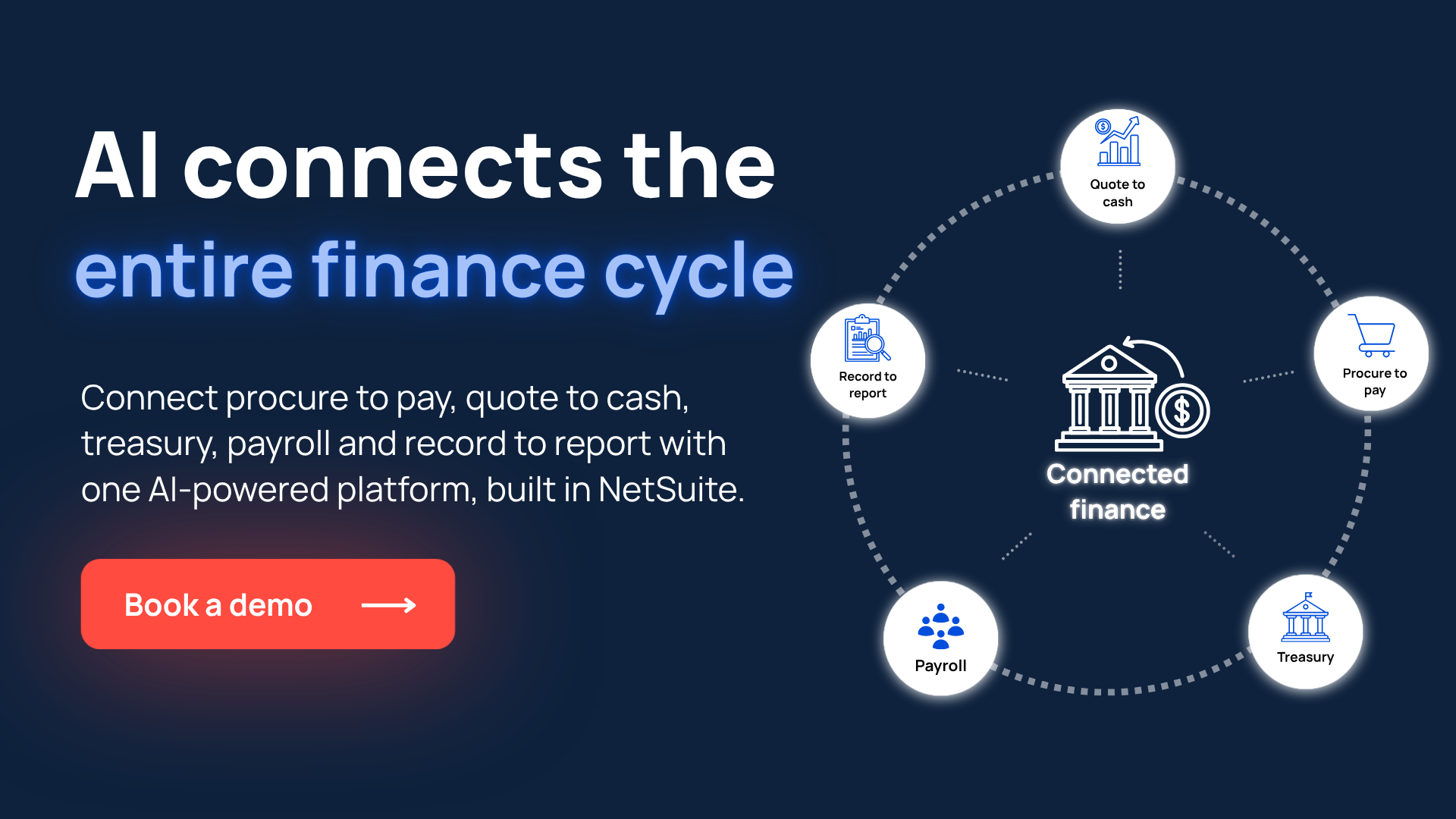
Zone treats procure-to-pay as one connected, AI-assisted cycle, not a chain of separate tools. ZoneProcure uses contract intelligence to structure each request and control spend before it commits. Inside NetSuite, ZoneApprovals routes by rule and ZoneCapture reads and codes each invoice with GenAI extraction that learns your GL coding over time. Zone AP Payments then executes the vendor payment.
This is what it looks like when Zone’s AI in P2P automation is working for your finance team:
- Move approvals by rule instead of by follow-up. ZoneApprovals routes each request by department, threshold and vendor type with delegation, so one absent approver no longer stalls the cycle.
- Authorize spend before it commits. ZoneProcure captures every request with budget context up front, and its ZoneAI document summaries surface the vendor terms that matter, so purchasing is documented and reviewed before it becomes an AP obligation.
- Match invoices without the manual chase. ZoneCapture's GenAI extraction codes each invoice and clears it against the PO and receipt, so AP works only the real exceptions and the data gets cleaner as the AI learns.
- Keep the whole cycle on one source of truth. Because procurement, approvals, capture and payment share one flow into NetSuite, there's no gap between what a standalone tool recorded and what the ERP holds.
Together, that's what intelligent finance orchestration looks like in procure-to-pay with ZoneAI embedded in the workflow and Zoe by Zone as the agentic layer, so finance acts on clean data instead of chasing it.











.png)